TPO, EPDM, and PVC: Comparing Single-Ply Roof Installation Options
People searching for TPO, EPDM, and PVC roof installation are often looking to compare options and find experienced local contractors who can professionally install or replace single-ply roofing systems.
Understanding the differences between TPO, EPDM, and PVC roofing options is an important step for property owners considering single-ply roof installation. Each material offers unique advantages and considerations that can impact durability, energy efficiency, and overall performance. For those in the area exploring roofing solutions, this information can help clarify which option aligns best with their building’s needs and long-term goals. Local contractors experienced in installing these types of roofs can provide valuable insights and tailored recommendations to ensure the right choice is made.
Property owners often look into single-ply roofing options to improve their building’s protection and efficiency. Whether upgrading an existing roof or installing a new one, understanding the practical differences among TPO, EPDM, and PVC can influence decision-making. Service providers in the community specialize in installing these materials, offering expertise to help navigate the options and ensure a quality installation. Continuing to explore this topic can lead to a more informed choice, backed by local professionals ready to assist with the next steps.
- TPO roof installation - suitable for flat roofs requiring energy-efficient and cost-effective solutions, with local contractors focusing on seamless, durable membrane application.
- EPDM roof installation - ideal for large commercial or industrial buildings needing flexible, weather-resistant roofing, with local service providers emphasizing proper membrane sealing.
- PVC roof installation - chosen for roofs demanding chemical resistance and longevity, with local pros ensuring precise installation of rigid, waterproof membranes.
- Comparing single-ply roof options - helps property owners determine the best material based on climate, building type, and budget, with local contractors providing expert guidance.
- Roof installation services - available from local pros skilled in installing TPO, EPDM, and PVC membranes, ensuring the right choice for specific roofing needs.
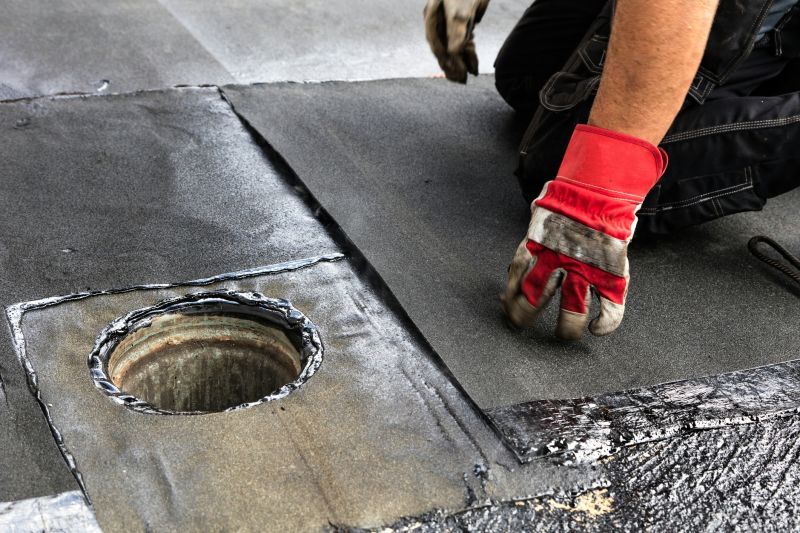
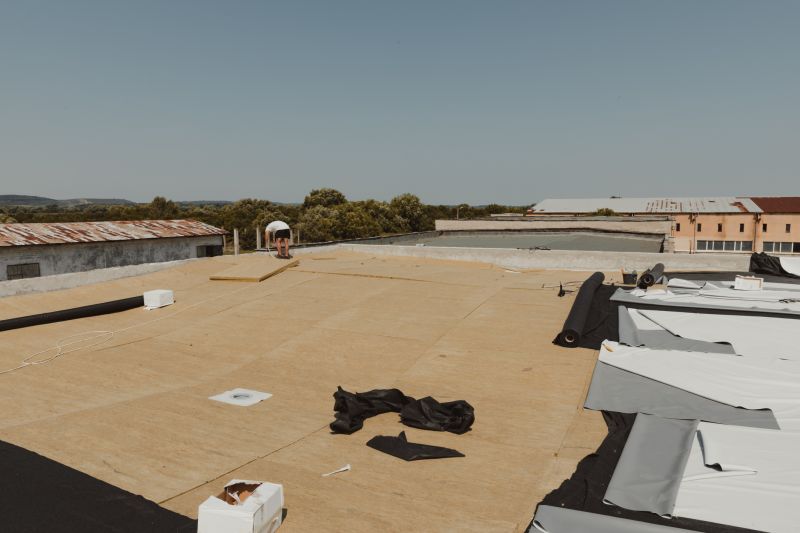
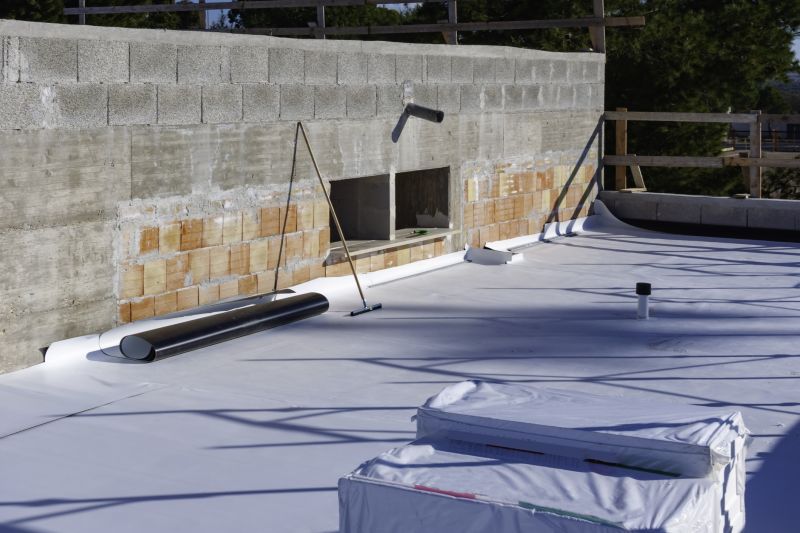
When people search for information on TPO, EPDM, and PVC: comparing single-ply roof installation options, they are usually exploring choices for replacing or upgrading a flat or low-slope roof. This topic often arises when property owners are planning a roof project, whether due to aging, leaks, or the need for better energy efficiency. Homeowners and commercial property owners alike want to understand the differences among these membrane types to make informed decisions that match their building’s needs, budget, and long-term goals. The search often reflects a desire to find durable, reliable roofing solutions that can withstand weather conditions and reduce maintenance concerns over time.
These options are closely related to projects involving roof replacement, repair, or new installation on properties with flat or low-slope roofs. Common issues prompting these searches include persistent leaks, deteriorating roofing materials, or the desire to improve energy efficiency. Property owners may also be considering the longevity and maintenance requirements of each membrane type. Plans often involve selecting a membrane that offers a good balance of durability, cost-effectiveness, and ease of installation. Local contractors who specialize in single-ply roofing can help evaluate the specific conditions of a property and recommend the most suitable membrane type based on these factors.
The types of properties that frequently come up in discussions about TPO, EPDM, and PVC roofs include commercial buildings like warehouses, retail centers, and office complexes, as well as some larger residential structures or multi-family housing with flat roofs. These properties tend to have larger roof surfaces where single-ply membranes are advantageous due to their ease of installation and relatively quick application. The local pros who handle these projects are experienced in working with different membrane materials and can advise on which option best matches the building’s structural requirements, climate considerations, and aesthetic preferences.
Understanding how TPO, EPDM, and PVC compare helps property owners navigate their roofing options more confidently. TPO is often chosen for its energy efficiency and heat-reflective qualities, making it popular for commercial roofs. EPDM is known for its flexibility and durability, especially in extreme weather conditions, making it suitable for various climates. PVC offers high resistance to chemicals and fire, which can be important for certain industrial or commercial applications. Local contractors who specialize in single-ply roof installation can assess the unique needs of each property and recommend the membrane type that aligns best with the building’s operational demands, budget, and long-term performance expectations.
Commercial roofing projects - installing large-scale roofs with single-ply membranes requires precise planning and specialized tools similar to those used in TPO, EPDM, and PVC roof installations.
Flat roof replacements - replacing or upgrading flat roofs involves similar surface preparation and membrane application techniques as found in single-ply roofing systems.
Industrial roofing services - industrial buildings often utilize single-ply roofing options for durability and weather resistance, requiring detailed planning and material handling skills.
Roof membrane repairs - repairing existing membrane roofs involves identifying leaks and applying patching techniques comparable to initial installation methods for TPO, EPDM, and PVC.
Building waterproofing projects - applying waterproofing layers on commercial structures shares planning and material application skills with single-ply roof installations.
Roof insulation upgrades - integrating insulation with membrane roofing systems demands knowledge of roofing assembly and material compatibility similar to TPO, EPDM, and PVC projects.
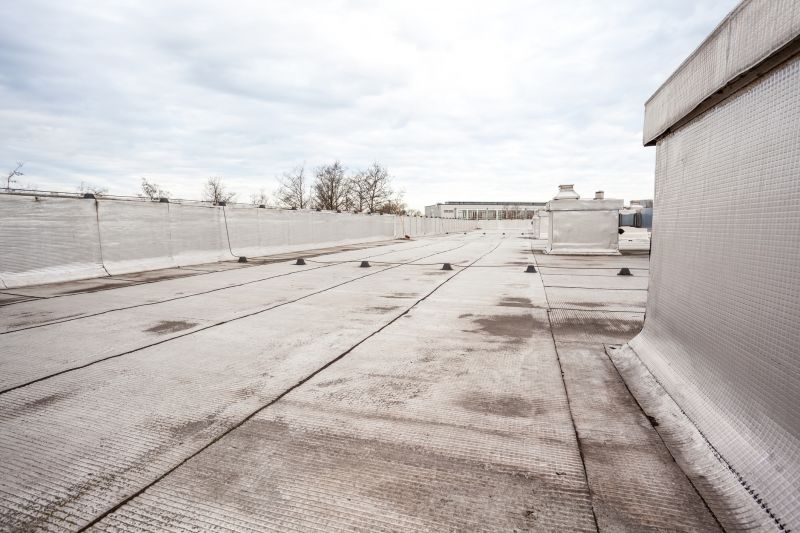
When evaluating local contractors for TPO, EPDM, and PVC roof installation services, it is important to consider their experience with similar projects. Homeowners should inquire about the types of single-ply roofing systems the contractors have installed in the past and ask for examples of completed work comparable to their own roofing needs. Contractors with a history of handling projects like theirs are more likely to understand the nuances of each material and provide insights into which option might perform best given the specific roof structure and conditions.
Clear written expectations are essential when comparing service providers for TPO, EPDM, and PVC roofing. Homeowners should look for detailed proposals that outline the scope of work, materials to be used, and the installation process. Having this information in writing helps ensure that both parties are aligned on what the project entails, reducing misunderstandings and making it easier to compare the offerings of different local contractors. Transparent communication about project timelines and responsibilities can also serve as an indicator of professionalism and reliability.
Reputable references and good communication are key factors in selecting a contractor for single-ply roof installation. Homeowners are encouraged to ask for references from previous clients, ideally those with similar roofing projects, to gain insight into the contractor’s workmanship and professionalism. Additionally, a contractor’s responsiveness and clarity in communication during the inquiry process can reveal their level of customer service and willingness to address questions or concerns. These qualities help ensure that the project will be managed smoothly and that the homeowner’s expectations will be understood and met throughout the process.
Property owners often search for TPO, EPDM, and PVC: comparing single-ply roof installation options when they are planning practical projects around their homes and businesses. Local pros provide TPO, EPDM, and PVC Roof Installation services for everyday jobs and straightforward project options.
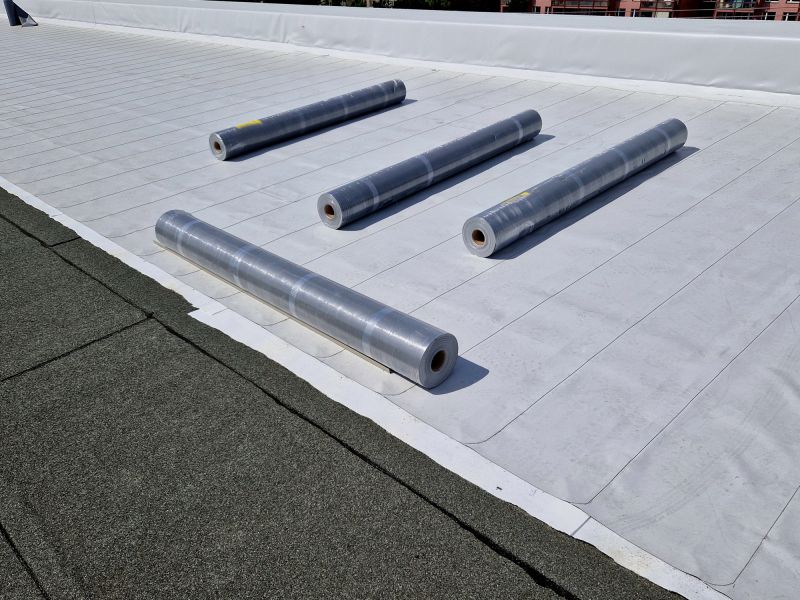
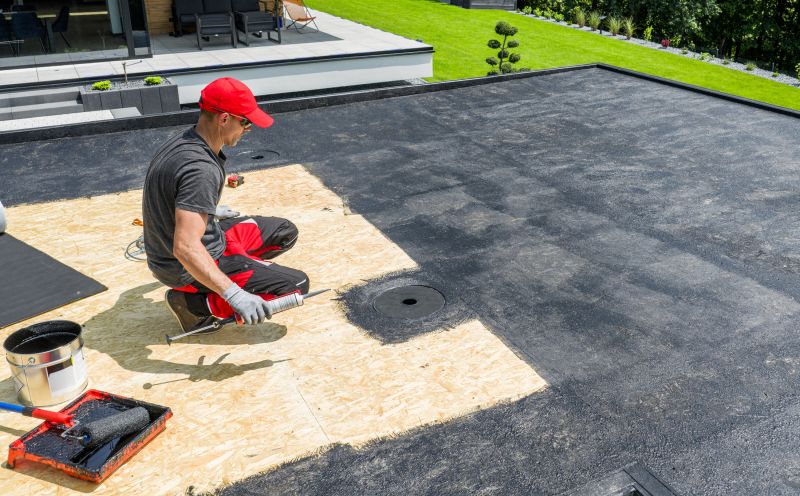
When considering roof replacement or upgrades, property owners often look into single-ply roof options like TPO, EPDM, and PVC to find solutions that suit their building’s needs. These materials are popular choices for commercial and residential projects because they offer durability and straightforward installation processes. Homeowners and business owners in the area might search for information on these options to understand which material best fits their specific circumstances, such as weather exposure, budget considerations, or existing roof structure. Local service providers can help evaluate these factors and recommend the most suitable single-ply roofing solution to ensure long-lasting protection.
Understanding the differences between TPO, EPDM, and PVC can help property owners make informed decisions about their roofing projects. Each material has its unique advantages-such as TPO’s heat reflectivity, EPDM’s flexibility, or PVC’s resistance to chemicals-that can influence the choice depending on the building’s location and use. Local contractors experienced in single-ply roof installation services can explain these distinctions, offer guidance on installation best practices, and help property owners choose the right option for their specific needs. Connecting with local experts ensures the job is handled efficiently and with attention to the practical concerns of everyday project situations.
What are the main differences between TPO, EPDM, and PVC roofing options? TPO, EPDM, and PVC are types of single-ply roofing materials, each with unique characteristics such as durability, flexibility, and resistance to weather. Local contractors can help compare these options based on specific building needs and conditions.
How do TPO, EPDM, and PVC roofs differ in installation process? The installation methods vary: TPO and PVC typically involve heat-welded seams for a strong bond, while EPDM often uses adhesive or mechanical fastening. Service providers in the area can advise on the best approach for each material.
Which roofing material is more suitable for different climate conditions? TPO, EPDM, and PVC each perform differently depending on climate factors like temperature fluctuations and UV exposure. Local roofing experts can recommend the most appropriate single-ply option for local weather patterns.
Are there differences in the lifespan and maintenance needs of TPO, EPDM, and PVC roofs? Yes, these materials vary in longevity and maintenance requirements. Contractors in the area can provide insights into expected durability and upkeep for each roofing type.
What factors should be considered when choosing between TPO, EPDM, and PVC for a roof? Important factors include material properties, compatibility with existing roofing, and specific project needs. Local service providers can assist in evaluating these aspects to guide the best choice.
Assessing material suitability - property owners can evaluate which single-ply roofing option best matches their building’s climate and usage needs with help from local contractors experienced in TPO, EPDM, and PVC installations.
Choosing installation methods - property owners might work with local pros to decide between ballasted, mechanically fastened, or fully adhered systems based on the chosen membrane type and roof structure.
Understanding maintenance requirements - property owners can learn how different single-ply roof options impact ongoing upkeep by consulting local service providers familiar with TPO, EPDM, and PVC maintenance needs.
Planning for future upgrades - property owners can coordinate with local contractors to select membrane types that facilitate easy repairs or modifications as building needs evolve.
If you are thinking about TPO, EPDM, and PVC: comparing single-ply roof installation options for a property, this guide is meant to help you understand this topic, the typical project types, and how different options might fit your plans.
When you are ready, you can use the quote form on this page to share a few details about your project. From there, local pros can review the basics and follow up with options that match what you have in mind.